 Filmaris
Comic/Graphic Novel AI Video Style
Transform your scripts into bold, ink-illustrated visuals with halftone textures, dramatic angles, and graphic novel storytelling.
 Create Comic/Graphic Novel Videos
What is the Comic/Graphic Novel Style?
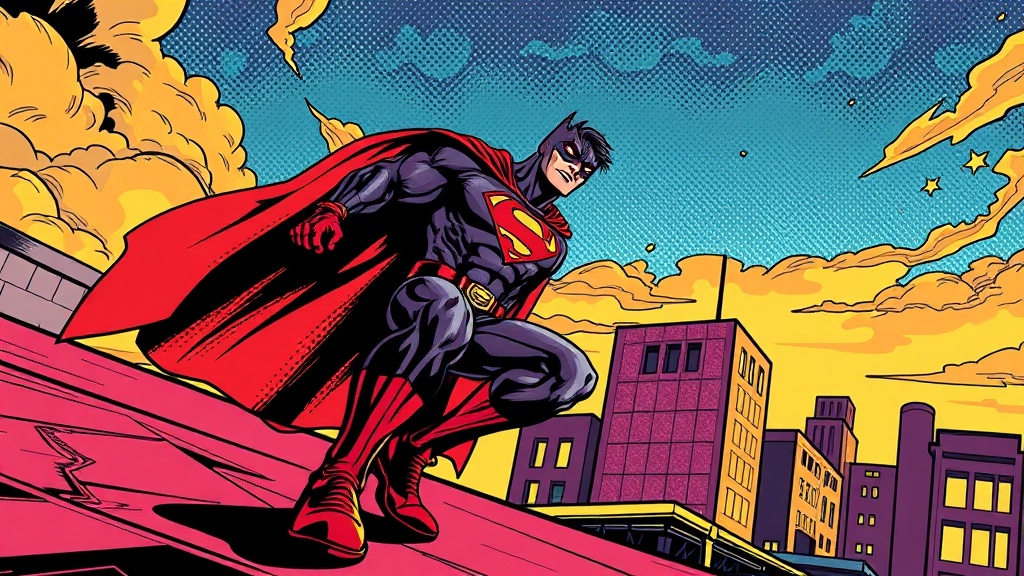
The Comic/Graphic Novel style draws from over a century of sequential art tradition — from newspaper strips and golden-age superhero comics to modern indie graphic novels and European bande dessinee. Its defining visual traits are bold black outlines that define form, flat or limited-gradient color fills that create punchy readability, halftone dot patterns inherited from offset printing, and dramatic compositional angles (Dutch tilts, extreme close-ups, worm's-eye views) that inject kinetic energy into static frames. Inking quality matters: lines vary in weight to convey depth and emphasis, with thick outlines on foreground elements and thinner lines receding into the background. Color palettes often lean toward primary and secondary colors for superhero content, while graphic novels favor more subdued, nuanced tones. This style excels at visual storytelling that needs graphic impact — action sequences, character introductions, dramatic reveals, and any scene where you want the viewer to feel like they are reading a living comic panel. It bridges print and motion, making it ideal for animated comics, motion graphic novels, and stylized trailers.
Creating Comic Videos with AI
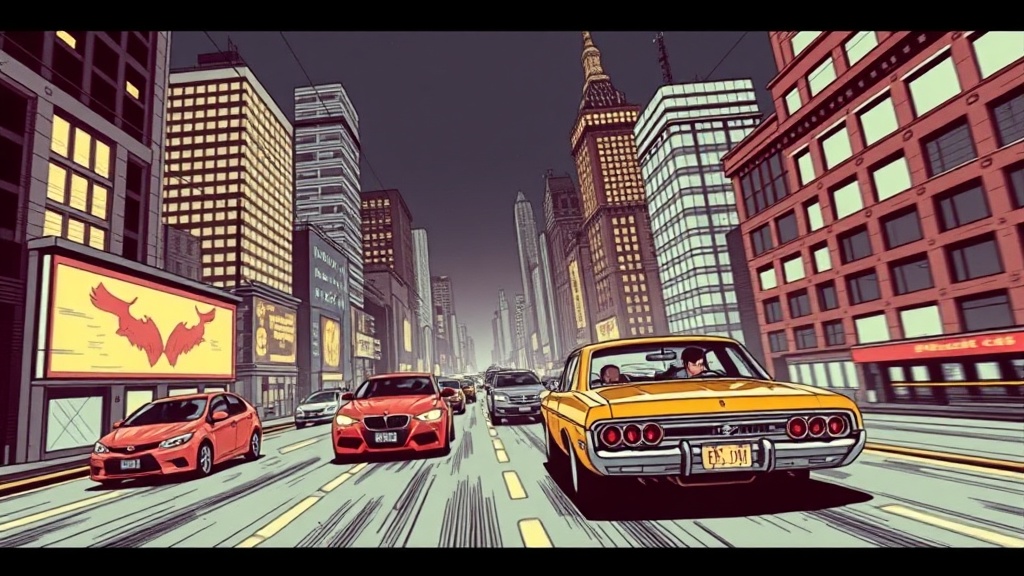
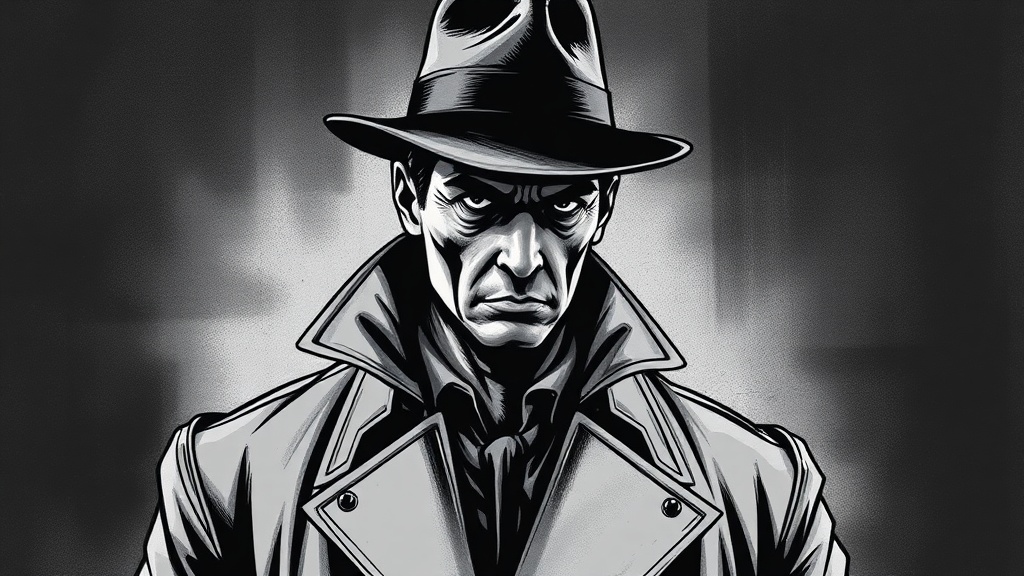
The comic style prepends "comic book style, bold outlines, halftone dots, dramatic angles, ink illustration" to every prompt, directing AI models toward graphic-art outputs with clear line work and print-inspired textures. Detail controls let you specialize the look. The color palette toggle moves between auto (balanced comic colors), warm (sepia-tinted vintage comics), cold (blue-ink washed noir comics), desaturated (indie graphic novel earth tones), and monochrome (pure black-and-white ink work like Sin City). Film grain interacts uniquely with this style: clean preserves crisp halftone patterns, light adds a newsprint texture that suits retro golden-age aesthetics, and heavy creates a distressed underground-comix feel. Lighting modes shape the dramatic contrast — low-key produces heavy blacks and sharp shadows typical of crime comics, while high-key creates the bright, flat lighting of Sunday newspaper strips. Camera style on dramatic amplifies the Dutch tilts and extreme angles that give comics their dynamic energy, while static creates composed panel-like framing.
Best Models for Comic Style
Comic and graphic novel generation demands models that can produce clean line work without blurring outlines into soft edges. FLUX Dev is the standout performer for comic stills — it generates razor-sharp outlines with consistent weight variation and handles halftone textures without artifacting. DALL-E 3 excels at dramatic comic compositions with strong foreground-background separation and impactful character poses that look like professional cover art. For comic-style video, Wan 2.6 maintains line consistency across frames better than most competitors, preventing the flickering outlines that plague comic animation. LTX 2.3 handles multi-panel animated sequences where several characters share the frame with clear spatial separation. FLUX 1.1 Pro offers the highest resolution for comic imagery, producing prints suitable for physical comic book production. Ideogram 3.0 is valuable for maintaining character design consistency with reference images — crucial for sequential storytelling where your hero must look identical from panel to panel.
Specifications
Key Features
FAQ
What is the Comic/Graphic Novel style in Filmaris?
The Comic/Graphic Novel style generates AI video and images with bold ink outlines, halftone dot textures, dramatic compositional angles, and the visual language of comic books and graphic novels. It covers everything from superhero action to indie sequential art.
Which AI models work best with the Comic style?
FLUX Dev produces the sharpest outlines and cleanest halftone textures for comic stills. DALL-E 3 excels at dramatic comic compositions and character poses. For comic-style video, Wan 2.6 maintains the most consistent line work across frames.
Can I customize the Comic style?
Yes. Switch between primary superhero colors, sepia vintage tones, cold noir washes, indie earth tones, or pure black-and-white ink. Adjust grain for retro newsprint or underground comix textures. Use dramatic camera angles for action energy or static framing for composed panels.