 Filmaris
Documentary AI Video Style
Generate authentic documentary footage with handheld camera movement, natural light, and the candid energy of real-world reportage.
 Create Documentary Videos
What is the Documentary Style?
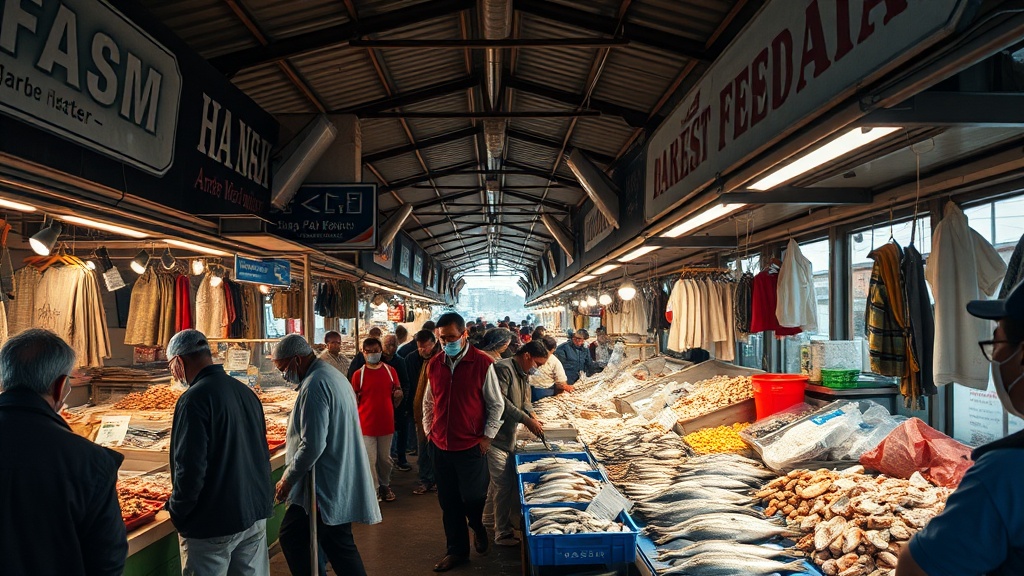
The documentary style replicates the visual language of non-fiction filmmaking — the raw, observational aesthetic that audiences trust because it signals authenticity. Key characteristics include handheld camera movement with natural stabilization imperfections, available-light exposure (no artificial movie lighting rigs), slightly imperfect framing that suggests a real operator following real events, and a color palette that reflects the actual environment rather than a colorist's interpretation. The documentary look has been refined across decades of verite cinema, from the Maysles brothers to Frederick Wiseman to modern streaming documentaries. It strips away cinematic artifice to create an intimate, "you are there" experience. In Filmaris, this style transforms AI-generated content into footage that feels captured rather than manufactured — essential for educational content, corporate training, explainer videos, faux-documentary narratives, and any project where credibility and relatability matter more than visual spectacle. The documentary style makes AI footage feel like someone was actually present with a camera.
Creating Documentary Videos with AI
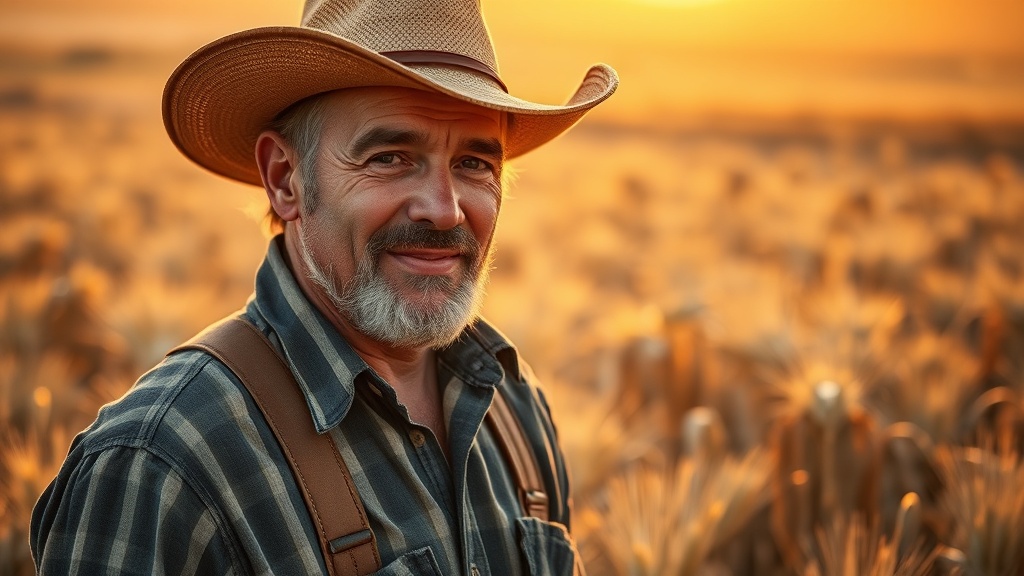
Selecting the documentary style adds "documentary style, handheld camera, natural light, candid moments, reportage" to your prompts, guiding AI models toward outputs with the casual authenticity of non-fiction footage. The detail controls let you adjust the specific flavor of documentary. Color palette on auto produces a naturalistic grade; warm adds the golden tones of outdoor observational docs; cold creates the institutional fluorescent look of investigative pieces; desaturated mimics the muted palette of conflict reportage; monochrome produces the black-and-white style of classic verite cinema. Film grain is central to documentary authenticity — light adds the subtle noise of a modern cinema camera at high ISO, while heavy creates the raw texture of handheld 16mm film common in war correspondents' footage. Camera style naturally defaults to handheld for the signature documentary shake, but smooth creates the feel of a Steadicam-equipped doc crew, and static suggests surveillance or interview setups. These controls combine to span everything from polished streaming docs to raw guerrilla filmmaking.
Best Models for Documentary Style
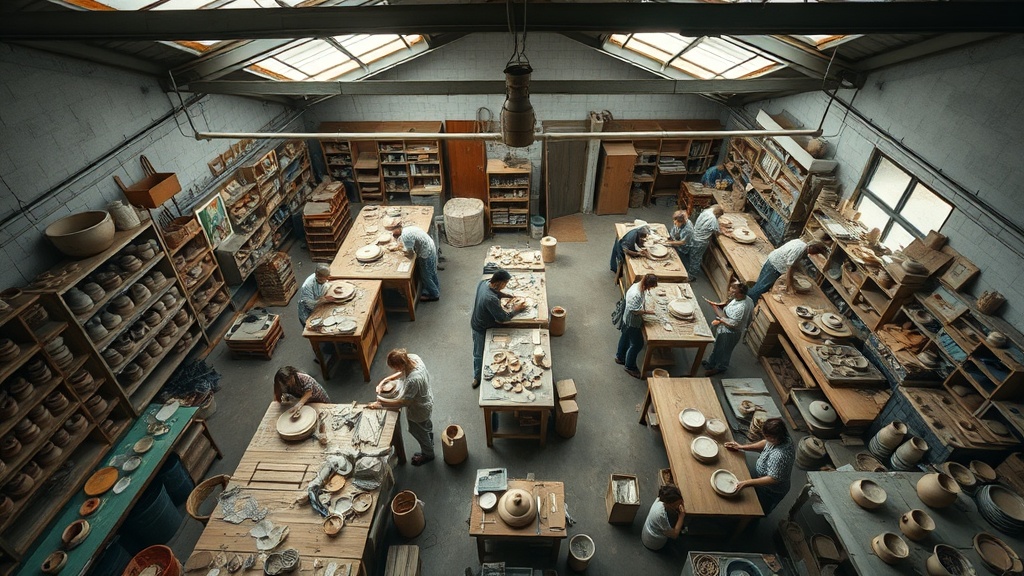
Documentary footage needs to feel unplanned and naturalistic, which requires models that avoid the over-composed, hyper-clean outputs typical of models trained primarily on stock footage. Veo 3.1 Fast excels at documentary generation — its outputs have a naturalistic quality with slightly imperfect framing and organic camera movement that reads as authentic. Kling 2.6 Pro produces convincing human subjects in documentary contexts, with natural gestures and expressions that avoid the uncanny stillness of overly polished AI video. Wan 2.6 handles environmental and establishing shots well, generating street scenes and landscapes with the slightly loose composition of a camera operator panning to follow action. For documentary stills, FLUX Dev produces images with a photojournalistic quality — slightly gritty, naturally lit, and compositionally dynamic without being over-designed. DALL-E 3 works well for documentary title cards and illustrated segments that break up live footage. Hunyuan Fast provides budget-efficient B-roll generation for filling out documentary timelines with supplementary footage.
Specifications
Key Features
FAQ
What is the Documentary style in Filmaris?
The Documentary style generates AI video with the visual language of non-fiction filmmaking: handheld camera movement, natural available lighting, candid framing, and a naturalistic color palette. It makes AI-generated footage feel authentic and captured rather than manufactured.
Which AI models work best with the Documentary style?
Veo 3.1 Fast produces the most naturalistic documentary footage with authentic camera movement. Kling 2.6 Pro generates convincing human subjects with natural gestures. For documentary stills, FLUX Dev delivers photojournalistic quality with organic compositions.
Can I customize the Documentary style?
Yes. Adjust color palette from warm outdoor tones to cold institutional looks. Set film grain from modern digital noise to raw 16mm texture. Choose camera styles from standard handheld shake to smooth Steadicam or static surveillance. These controls span polished streaming docs to raw guerrilla filmmaking.