 Filmaris
Horror AI Video Style
Craft unsettling atmospheres with deep shadows, muted tones, film grain, and the creeping tension that defines horror cinema.
 Create Horror Videos
What is the Horror Style?
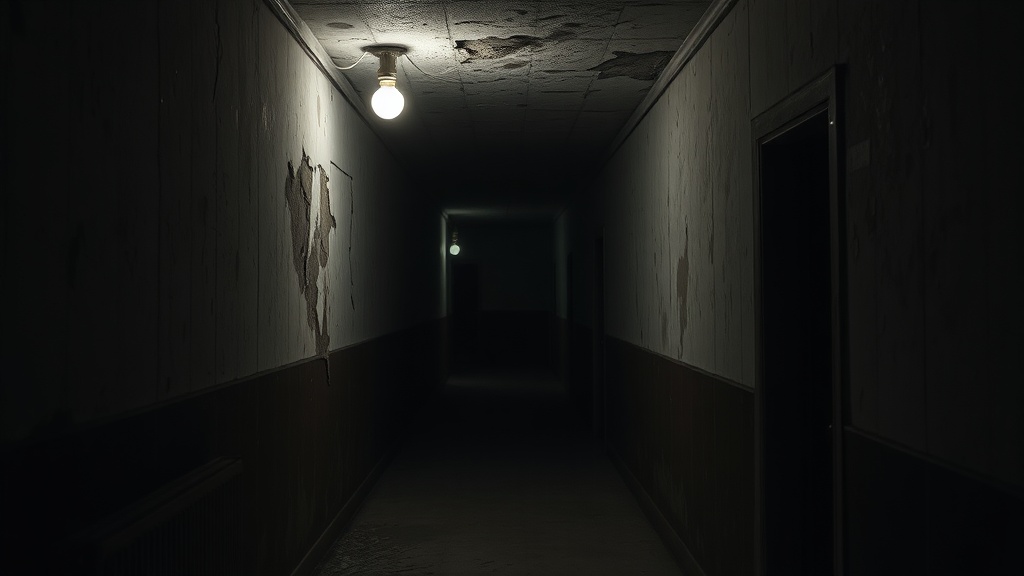
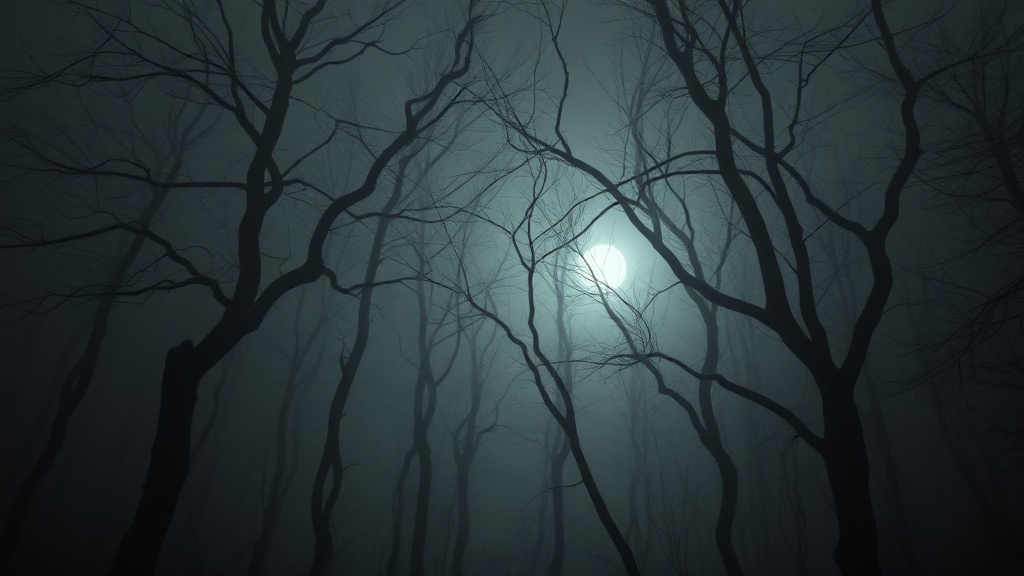
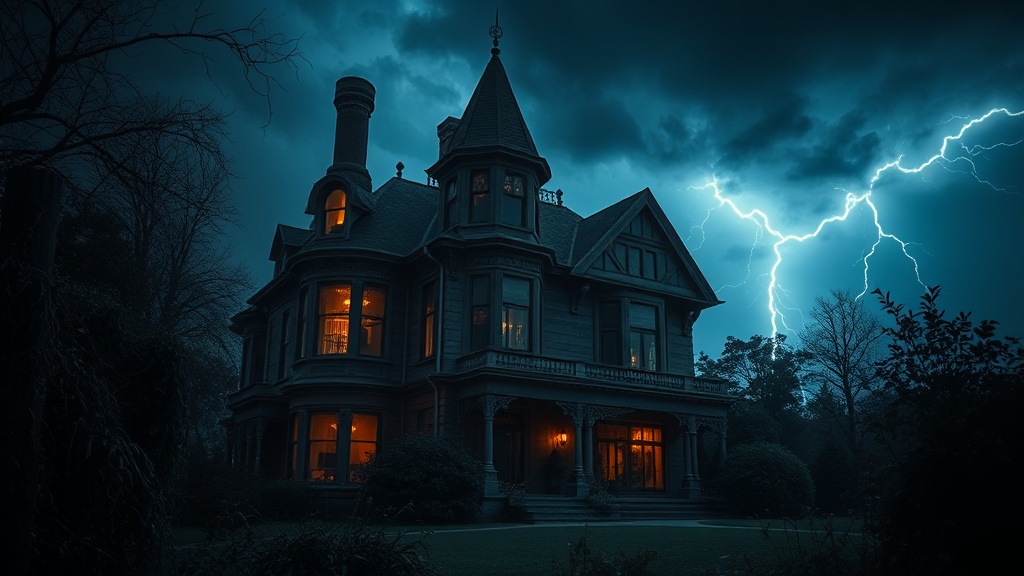
The horror style in Filmaris distills the visual grammar that filmmakers have refined across a century of scaring audiences. Its foundation is darkness — not empty blackness, but shadows that contain suggestion. The human brain fills in what it cannot see, and horror cinematography exploits this by keeping threats at the edge of visibility. Key visual traits include muted, desaturated color palettes that drain warmth from the frame, heavy film grain that adds texture and unease, underexposed compositions where important details hide in the margins, and motivated lighting from unreliable sources (flickering candles, malfunctioning fluorescents, distant lightning). The style also influences composition: off-center framing creates unease, negative space implies something lurking just outside the frame, and slightly longer-than-comfortable static shots build dread. This aesthetic works not just for traditional horror narratives — it applies equally to psychological thrillers, dark fantasy, true crime reenactments, Halloween content, and atmospheric music videos. Filmaris builds this tension through prompt engineering that prioritizes atmosphere, shadow, and grain over clarity and comfort.
Creating Horror Videos with AI
The horror preset adds "horror atmosphere, dark shadows, unsettling, tension, muted colors, grain" to every prompt, directing AI models to prioritize mood over visibility. Detail controls sculpt the specific horror sub-genre. Color palette on auto produces the classic horror desaturated look; warm creates a sepia-tinted vintage horror reminiscent of Texas Chain Saw Massacre; cold delivers the blue-green palette of modern supernatural horror films; desaturated pushes colors to near-gray for extreme bleakness; monochrome creates stark black-and-white horror in the tradition of early Universal monster films. Film grain is non-negotiable in horror — even clean still adds subtle noise, light delivers the anxious texture of a handheld camera in the dark, and heavy creates the degraded found-footage look of films like Blair Witch Project and Paranormal Activity. Low-key lighting dominates, but golden-hour creates the unsettling beauty of folk horror (Midsommar), and blue-hour produces the twilight dread of the magic hour just before full dark. Handheld camera adds panic; static creates the composed dread of Kubrick-style horror.
Best Models for Horror Style
Horror demands models that can generate convincing darkness — not just dark images, but images where shadow contains texture, detail, and threat. Kling 2.6 Pro leads in horror because it preserves micro-detail in underexposed areas: a face half-hidden in shadow still reads as human, a shape in the corner of a dark room retains enough definition to be unsettling without being obvious. Sora 2 generates the most atmospheric horror environments — abandoned buildings, fog-filled forests, and empty corridors where lighting flickers and shifts. Wan 2.6 handles horror action well: chase sequences, sudden movements, and the moment-of-reveal shots where something emerges from darkness. LTX 2.3 produces effective horror at lower cost, suitable for sustaining tension across longer sequences. For horror stills, FLUX Dev generates deeply textured dark imagery where grain and shadow become active compositional elements. DALL-E 3 creates striking horror concept art with dramatic silhouettes and the kind of unsettling compositions that work as film posters or key art. Ideogram 3.0 maintains character consistency in horror — your monster or antagonist retains the same terrifying design across every appearance.
Specifications
Key Features
FAQ
What is the Horror style in Filmaris?
The Horror style generates AI video and images with the visual grammar of horror cinema: deep shadows, muted desaturated colors, heavy film grain, underexposed compositions, and unreliable lighting sources. It builds tension and unease through darkness and atmosphere.
Which AI models work best with the Horror style?
Kling 2.6 Pro preserves the best micro-detail in dark underexposed areas. Sora 2 generates the most atmospheric horror environments with flickering light and fog. For horror stills, FLUX Dev creates deeply textured dark imagery with grain as an active compositional element.
Can I customize the Horror style?
Yes. Choose between vintage sepia horror, cold supernatural blue, extreme desaturation, or stark black-and-white. Film grain ranges from subtle unease to degraded found-footage. Lighting spans folk horror golden-hour to twilight dread, and camera styles range from panicked handheld to Kubrick-like composed static shots.